![MaritimeJournal[Seawork]](https://www.maritimejournal.com/wp-content/uploads/2026/09/MaritimeJournalSeawork.svg)




Repairing damage from coastal floods
The UK’s Marine Management Organisation (MMO) has issued a notice asking that anyone considering urgent works following the recent flooding contact them first to establish if a marine licence is required.
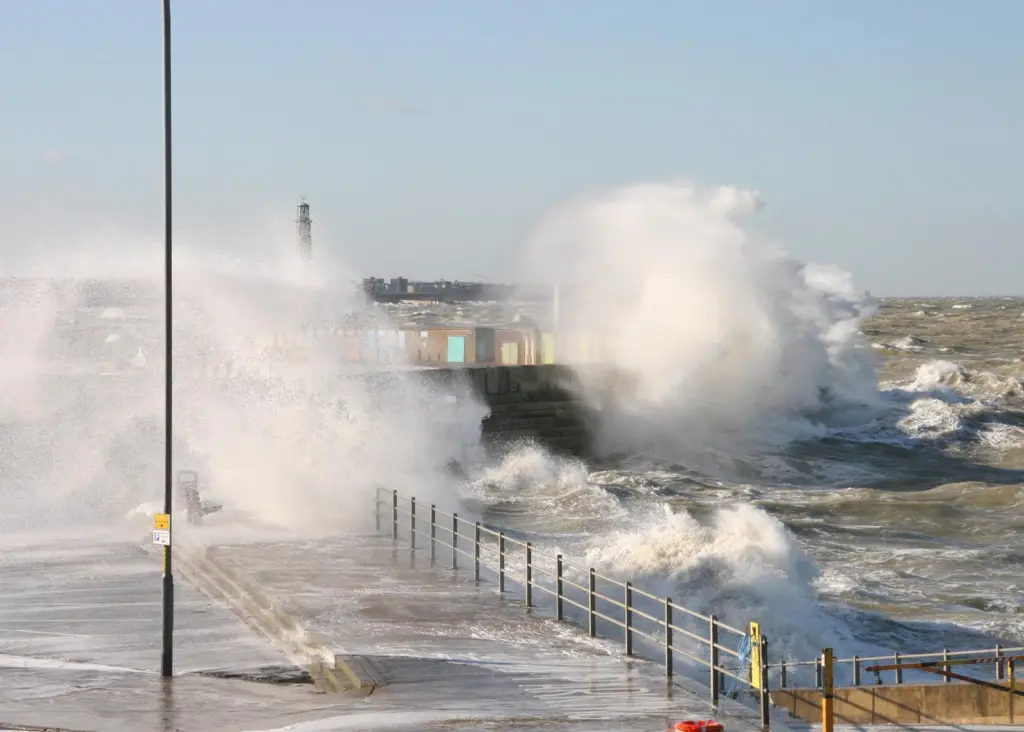
MMO’s request is an opportune moment for this column to make first mention of recent periods of extreme weather and flooding parts of the UK have endured over the winter months. The A series of storms driven by a seemingly endless succession of Atlantic low pressure systems has resulted in the wettest December to January period in the UK since records began. Heavy rains combined with strong winds and high waves have resulted in widespread persistent flooding and coastal damage leading to significant disruption. Two main areas of focus have been inland flooding from swollen rivers breaking their banks, inundating flood plains, causing damage to properties and businesses, and an assault from the sea where coastal defences have succumbed to extreme wave and tidal events.
As the water (hopefully) recedes and the immediate clear up gets underway, attention will turn to longer-term measures, initially to repair defences damaged during the period of bad weather and subsequently any new measures to construct revised defences based on lessons learned from recent experiences. At this early stage there is understandably no shortage of analysis and finger-pointing about the causes behind the extreme weather and missed opportunities in the recent past, any number of interested parties keen to debate for example, the viability or otherwise of dredging river banks.
The mainstream media have featured the example of The Netherlands, a country used to such situations. Their Room for the River project (see MJ January 2013) received particular attention, a concept that takes the approach of managing encroachment of river water rather than just building higher defences with a risk of even greater damage should those barriers fail. As mentioned, this story is set to run for the marine civil engineering industry and one that will no doubt be returned to as ideas turn into reality and actual measures.
The point the MMO is now making is that anyone considering carrying out urgent works below mean high water springs should contact them before commencing work so they can advise on whether a marine licence is required. Activities to deposit or remove materials around England’s coast and in tidal rivers may legally require permission from the MMO before works can begin. They recognise in some circumstances the need to perform work urgently, and can provide immediate advice and consider emergency licence applications the same day if necessary. Small scale activities carried out by hand may not need a licence. There are other activities which may also be exempt from requirement for a marine licence but may still require consent from other bodies. For example, with activities within or adjacent to sites of special scientific interest, consent from Natural England may be required. All intrusive work on the seabed within 12 nautical miles of the coast may also require consent from The Crown Estate, along with some work outside the 12 mile limit. Activities that are exempt also include sediment and other scientific sampling, removal of objects accidentally deposited on the seabed and small scale maintenance dredging.
As mentioned, with the passage of time, (and the departure of the water and calming of the seas) the reality of the true scale of what is to follow in the way of remedial and new works will become clearer. In the meantime, more information on individual requirements to ensure compliance can be obtained from the marine licensing section of the MMO website www.marinemanagement.org.uk which also contains details of various exemptions for a marine licence.
By Peter Barker
Related Articles
 FEATURES & VIDEOS
 MARINE CIVILS
 OTHER NEWS