![MaritimeJournal[Seawork]](https://www.maritimejournal.com/wp-content/uploads/2026/09/MaritimeJournalSeawork.svg)




Battery risks at sea spark calls for better fire training
The maritime industry’s understanding of battery fire risks needs to keep pace with the growing number of lithium-ion batteries carried and used onboard ships, according to UK maritime consultancy and training provider Stream Marine Technical.

The company warns that battery fire awareness can no longer be treated solely as an electric vehicle cargo issue, as lithium-ion batteries have become commonplace throughout the maritime environment, from crew laptops, phones and portable power banks to battery-powered tools, ship systems and electric vehicles transported aboard car carriers.
“Lithium-ion battery fires are not simply an EV issue,” said Katy Womersley, managing director of Stream Marine Training. “These batteries are now found throughout vessels, from cargo and ship systems to crew devices and portable equipment. As a result, training, early recognition and the right response procedures are critical.”
Unlike conventional fires, lithium-ion battery incidents can escalate rapidly through a process known as thermal runaway, producing intense heat, toxic gases and the potential for reignition long after flames have apparently been put out. Stream Marine Technical says ship operators need a better understanding of battery failure indicators, emergency response techniques and post-incident recovery measures.
The issue has become increasingly prominent following a series of high-profile vehicle carrier fires over the past five years.
In February 2022, the car carrier Felicity Ace caught fire in the Atlantic Ocean while transporting almost 4,000 Volkswagen Group vehicles from Germany to the United States. The blaze burned for nearly two weeks before the vessel capsized and sank near the Azores. Although investigators have not conclusively determined the cause of the fire, lithium-ion batteries contained within electric vehicles onboard complicated firefighting efforts, according to Portuguese authorities.
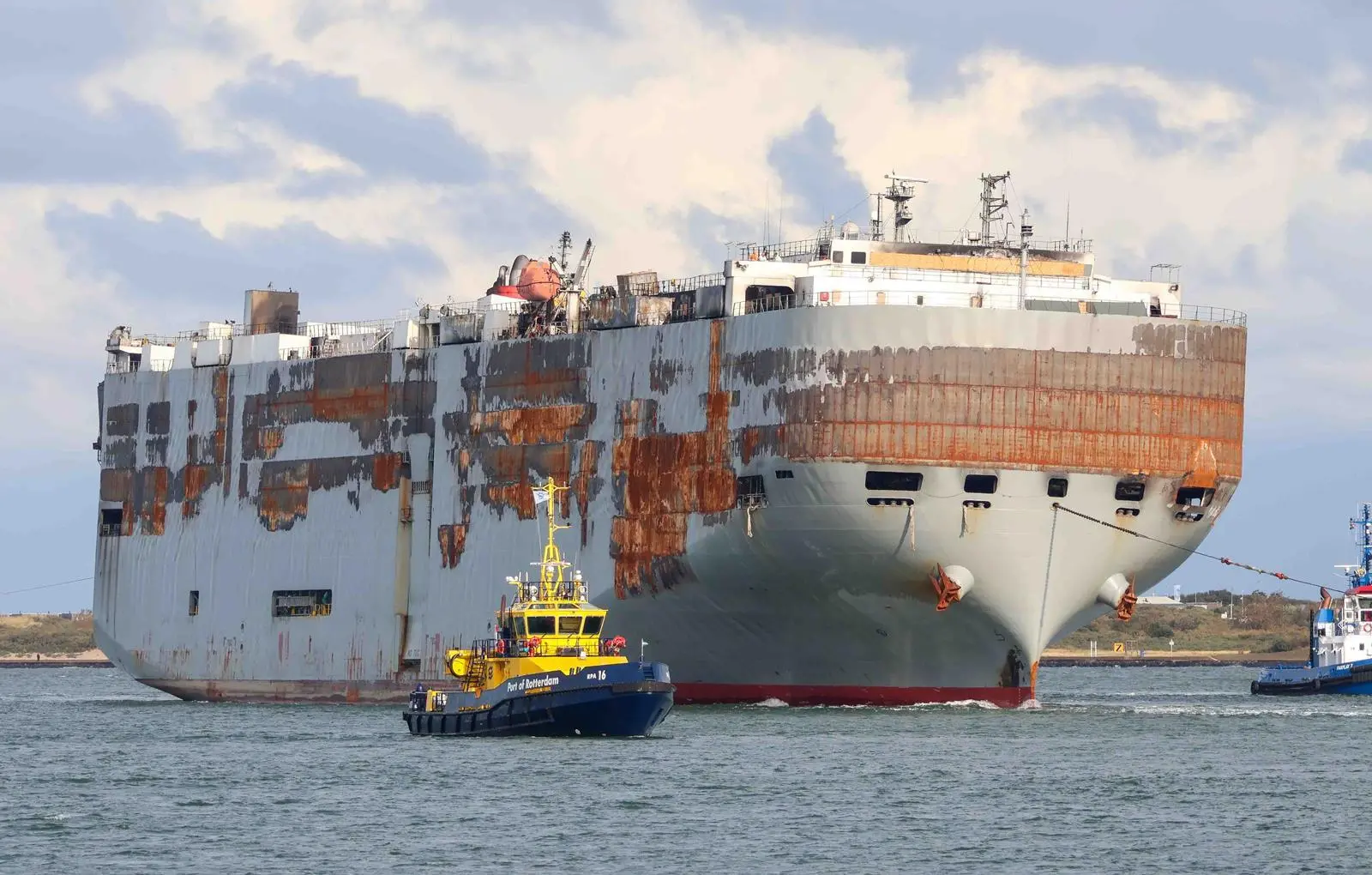
A year later, the Fremantle Highway suffered a major fire in the North Sea off the Dutch coast while carrying more than 3,700 vehicles, including approximately 500 battery-electric cars. One crew member died and several others were injured during the evacuation. Initial reports suggested an EV battery may have been involved, although the official cause remains undetermined. The incident prompted renewed discussions at the International Maritime Organization about enhanced safety measures for transporting electric vehicles by sea.
The risks extend well beyond EVs. The UK’s Boat Safety Scheme and Broads Authority says reports are increasing of onboard fires, near misses and serious losses linked to lithium-ion powered devices including e-bikes, scooters, cordless tools, electric outboards and portable battery packs.
In 2021, the superyacht Siempre was destroyed by a blaze in Sardinia that marine insurers believe may have originated from a lithium-ion battery associated with onboard leisure equipment. Industry bodies have also highlighted incidents involving misdeclared shipments of used lithium-ion batteries entering the maritime supply chain.
Against this backdrop, Stream Marine Technical will host a webinar “EV Fires Afloat: What Every Ship Operator Must Know” on 3 July. Maritime safety specialists and trainers will discuss the challenges posed by the increasing carriage of electric vehicles and battery-powered equipment, as well as emerging fire-fighting technologies.
Stream Marine Technical’s message is clear: as lithium-ion batteries proliferate throughout the maritime sector, battery fire awareness training must become a routine element of shipboard safety culture rather than a niche concern reserved for specialist cargo operators.