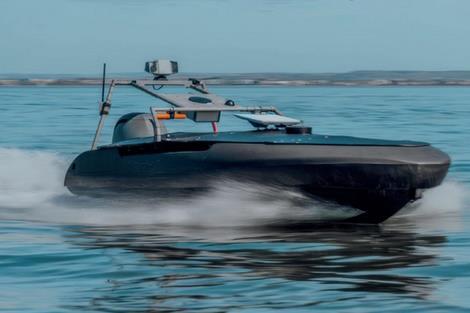



Autonomous technology is advancing steadily across the maritime sector, but its uptake in commercial marine remains cautious compared with defence and research, where uncrewed vessels are already established.
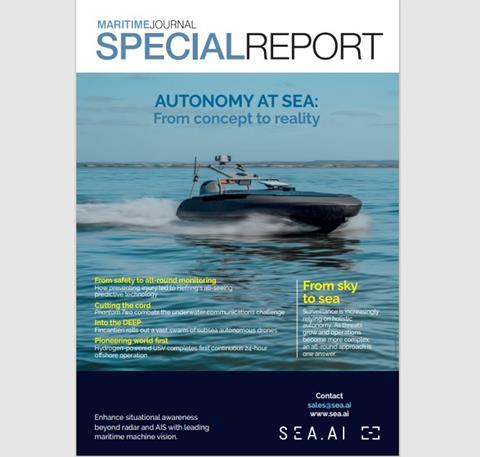
That slower pace is typical of emerging technologies, yet the direction of travel is clear: autonomy is coming, driven by the promise of lower costs, improved safety and greater operational efficiency.
Speaking to Maritime Journal, industry participants talk about how momentum is building. Fincantieri is developing swarms of subsea drones, while Subsea Europe Services is taking a holistic approach to connecting assets from deep underwater environments to cloud-based systems. Hefring Marine is refining predictive models by continuously gathering real-time operational data to inform decision-making at sea.
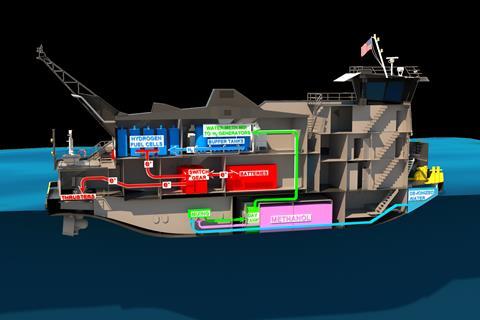
Our sponsor, SEA.AI, describes machine vision as a “critical layer” for maritime autonomy, reducing crew workload and laying the groundwork for increasingly automated operations. Elsewhere, Dynautics is tackling subsea communications by eliminating umbilicals, while ACUA Ocean is setting offshore benchmarks with its hydrogen-powered Pioneer vessel.
From perception and decision making to propulsion, companies such as CUSP, Marine AI and RAD Propulsion, illustrate how autonomy is becoming a practical reality across uncrewed maritime operations.
Read our Special Report here.