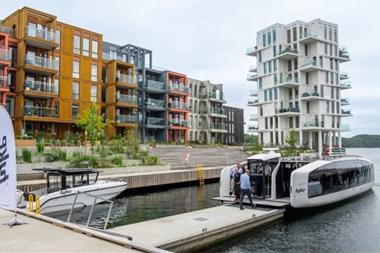



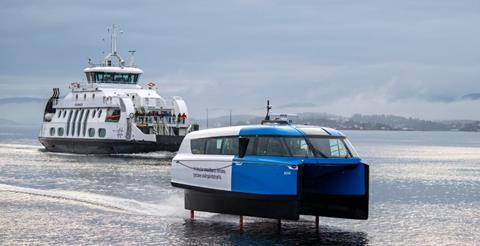
Foiling ferry company Candela says its P-12 vessel has completed the longest sea journey in the world on battery power.
The vessel sailed from Sweden’s west coast Norway’s capital Oslo, 160 nautical miles, which was split into different legs depending on where the charging points were.
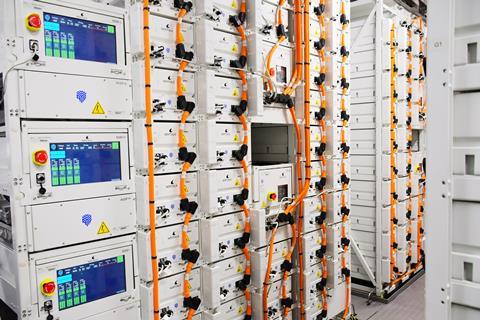
Over three days, crew charged it along Sweden’s DC fast-charging network using Aqua SuperPower stations and if fixed chargers were unavailable it used a towable 360kW battery system provided by Skagerak Energi.
“We could have done the journey in one day if we solely had relied on the mobile charger, but we chose to stop for demos in various coastal towns,” says head of PR & Communications Mikael Mahlberg.
“The Skagerrak charger’s battery has 292kWh of capacity, enough to charge the P-12 once, then it re-charged at a Tesla supercharger or similar - or charged overnight from a 22kW AC charger if we were staying overnight.”
The furthest an electric ferry has managed to sail so far on one stint is 20nm, he says, ‘where they are dependent on megawatt chargers at each end station’. P-12 managed up to 30nm, with higher speeds than conventional vessels attained because of its foiling architecture.
“The difference between P-12 and conventional electric vessels is that these vessels use so much energy that they need enormous battery banks which require huge custom infrastructure for charging, and without it, they are stuck,” he says.
“Basically they run like a train on tracks, and if they would deviate from that route, they would need to deploy their diesel motors which they use to travel from the shipyard to their intended place of usage.
“In Oslo, we only charged from the Skagerak charger, which was hooked up to the grid and AC charged. This showed that you can deploy a charging network quickly for a pilot P-12 line.”
The Candela ferry does not have a diesel genset.
Candela says Norway’s ambition to electrify its waterways has faced growing resistance because of the cost for both vessels and infrastructure, which has escalated, with battery-swapping systems alone accumulating expenses in the hundreds of millions of euros.
The total cost of electricity for the P12’s sea journey, it says, was just over €200.
“Charging infrastructure is the hidden cost of electrifying conventional vessels,” said Gabriele De Mattia, project engineer at Candela and lead engineer for the voyage. “In many cases, building megawatt-scale chargers – especially where the grid is weak or undeveloped – can cost as much as the vessels themselves.”