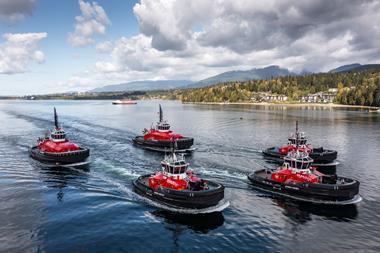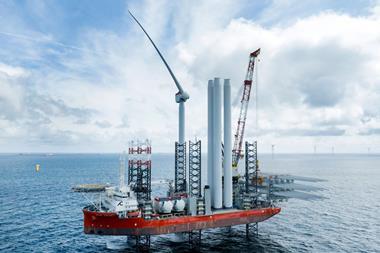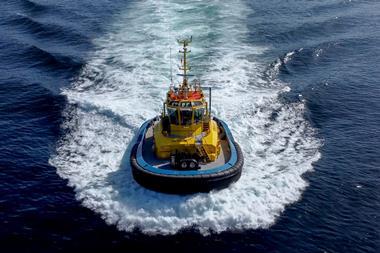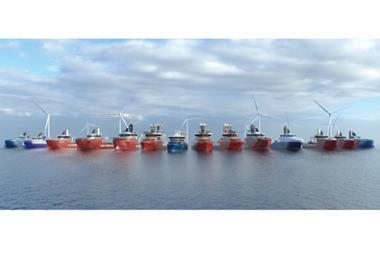

Three industry teams have been chosen to develop competing designs for a new generation of low-emission emergency response towing vessels (ERTVs) under a Dutch government programme aimed at protecting the North Sea’s growing offshore wind sector.
Rijkswaterstaat, the Dutch water board, has launched the research and development phase of its Power2Tow project, appointing three consortia to refine proposals for electric emergency towing vessels, offshore charging infrastructure and long-term operational concepts before a single team is selected for construction.
The shortlisted groups are Kustkracht, comprising Kotug International, IHC Defence and Bluewater Energy Services; Multraship Ocean Towage, Damen Shipyards and Stillstrom; and Smit Terminals Europe with Smit Salvage.
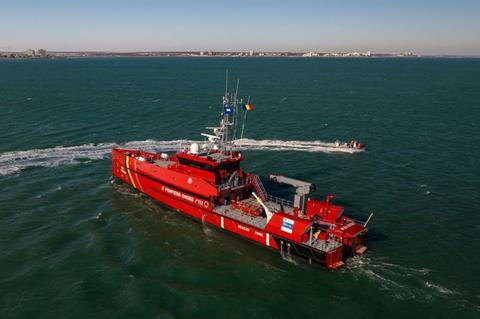
Unlike a conventional shipbuilding tender, all three teams will be funded to develop ERTVs are kept on standby at wind farms to reach disabled ships before they drift into offshore infrastructure, run aground or cause pollution incidents. As offshore wind capacity expands and shipping density increases, ensuring those vessels can respond rapidly while also reducing emissions has become a more complex operational problem.
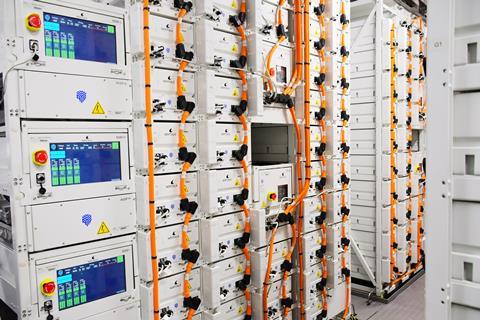
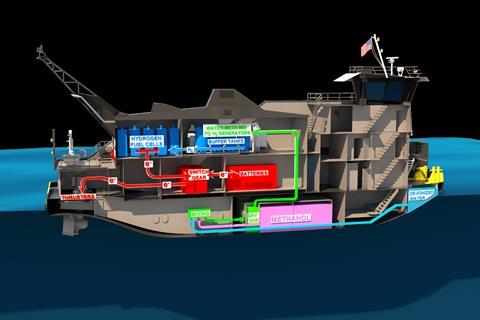
Power2Tow calls for three electric ERTVs capable of charging both offshore and ashore. The vessels are expected to operate on battery power wherever possible, with sustainable e-methanol providing the additional power required for emergency towing operations.
The programme also includes the development of offshore charging infrastructure using electricity generated by wind farms, land-based charging facilities and a 25-year operational service contract.
“Through Power2Tow, Rijkswaterstaat is developing a future-proof emergency towing capability in the North Sea, and to help protect offshore wind farms from collisions involving ships in distress.”
The agreements launching the development phase were signed on 30 June by Rijkswaterstaat Director-General Martin Wijnen.
Power2Tow forms part of the Rijksrederij fleet renewal programme and is intended to support both the modernisation of the Dutch government fleet and wider efforts to reduce emissions from maritime operations.