
Autonomous docking and sailing on an inland waterway has been demonstrated for what is believed to be the first time.
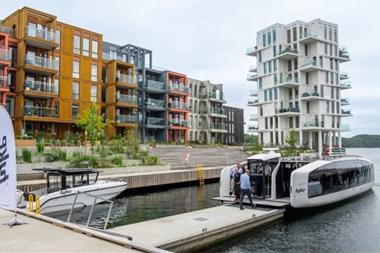
The river cruiser MV Lumière, which is operated by Scylla, is a newbuild that only entered service two weeks before the demonstration. She is scheduled to go into full service in March 2026.
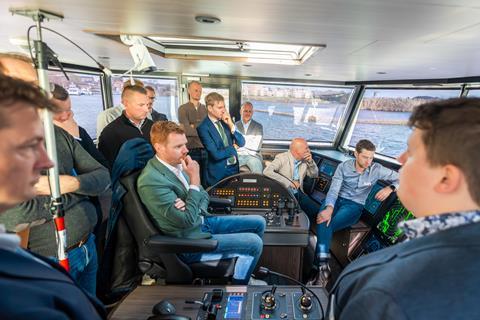
MV Lumière was installed with an M-Pilot manoeuvring system by Retina, a Dutch software company, and Autonomous Lane Assist by Shipping Technology. It enabled the vessel to undock, sail and dock autonomously under real-world conditions for the first time.
“Even a gale-force crosswind of Beaufort 8 did not affect the ship’s course,” said Davif Woudenberg, head of Product Development at Shipping Technology. “With the Dock2Dock project, we’re proving that autonomous technology is no longer futuristic - it’s happening now. It’s not about removing the captain; it’s about giving crews smarter tools for safer and more efficient navigation. And about reducing fuel consumption.”
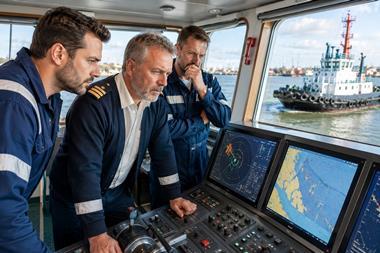
Indeed, a human captain remained in full control and supervision throughout the 10km route and docking operations.
During the demo, M-Pilot controlled the thrusters and the engines, and Shipping Technology’s ST BRAIN and Autonomous Lane Assist worked in tandem. Rudder and pod movements were automatically managed throughout.
“This is particularly relevant for vessels with Z-drives,” said Tom Panjer, Founder of Retina BV. “The system measures what happens 10 times per second, allowing controlled and safe operations. Experienced captains will have more time for other tasks; less experienced crew will feel better supported. Also, and let me be very clear about this: reliable data is essential, but people must stay in control.”
The system always factors in variables like load, RPM and torque to work out the best steering response, and because it is integrated directly with the propulsion system, it reduces fuel consumption, the project partners said.
“In the market, there’s a lot of talk about autonomous sailing, but very little real demonstration, and most of that is about remote-controlled navigation,” said Tom Panjer. “That’s why this showcase matters. Normally, captains turn off their track pilot when approaching or leaving a berth - now, that process itself can be automated, with the captain staying fully in charge. It means more focus on navigation, less on manual controls, and a big step toward practical autonomy.”