



Rolls-Royce has announced its intention to develop hydrotreated vegetable oil (HVO) engines alongside other forays into alternative fuels for the commercial workboat sector.
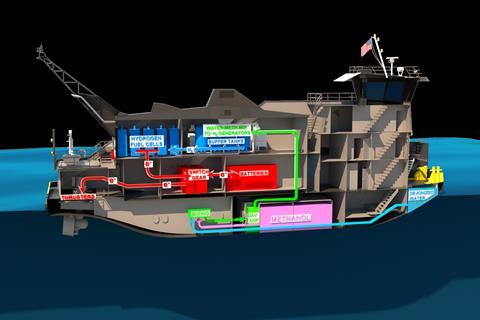
The difference with HVO is that it is being touted as a drop-in fuel, whereas others – such as hydrogen and methanol (which we cover more closely in our SPECIAL REPORT - Alternative Fuels - coming out on April 30), require a lot more engineering.

The HVO test run is being carried out on mtu diesel engines in Friedrichshafen, Augsburg and Ruhstorf in Germany.
The recent announcement focused on expanding the use of HVO across its engine-testing operations, demonstrating how existing platforms like the mtu Series 4000 can operate on the fuel without modification. Switching to sustainable fuels in testing is ’an important contribution to reducing greenhouse gas emissions’, the company says.
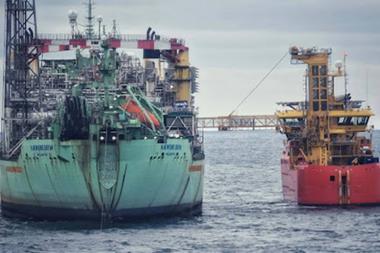
Because HVO is a drop-in diesel substitute, it can be used across a wide range of vessels already powered by mtu engines, which include offshore support vessels, tugs and crew transfer vessels, as well as ferries, inland waterway ships and large yachts. Naval and government fleets are also well positioned to adopt it, since it requires no major changes to onboard systems or fuel infrastructure.
“The switch to HVO is an important step towards even more sustainable manufacturing of our products,” said Nicholas Templin, executive vice president of Production, Logistics and Quality Management at Rolls-Royce Power Systems. ”Our experience has been entirely positive: using HVO makes the production of our products even more sustainable and has proven its worth in operational use.”
Rolls-Royce says many of its customers are already successfully using HVO with mtu engines, and not just on water – in trains, mining machinery, data centres and energy systems. Data centres like the Eco Datacenter in Sweden, it says, also run their emergency generators on HVO, and mining giant Rio Tinto operates its dump trucks in large mines in California and Australia using sustainable fuel.
At the same time, the company is clear that HVO is only one part of the picture.
Methanol, in particular, is gaining attention as a marine fuel for new-build vessels or heavily modified engines. While it requires different storage and handling systems, it offers strong emissions-reduction potential and is increasingly seen as viable for larger ships.