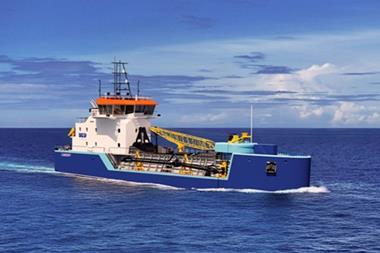


ABB will supply integrated vessel propulsion, power and vessel automation systems for two hybrid-electric cable repair ships being built for Orange Marine.
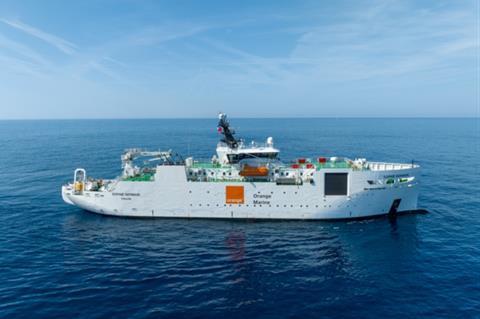
The contract, awarded by Sri Lankan shipbuilder Colombo Dockyard PLC, will see ABB deliver a fully integrated electrical power, propulsion and automation package for the newbuild Vard-designed hybrid-electric vessels.
“Cable repair operations demand exceptional maneuverability, reliability and energy efficiency,” said Didier Dillard, chief executive officer, Orange Marine.
“The integration of ABB’s Azipod propulsion, energy management and automation solutions will enhance our vessels’ ability to perform complex subsea interventions safely and efficiently, while supporting our objectives to reduce fuel consumption and emissions across our fleet.”
Subsea expertise
Owned by Orange Marine, a subsidiary of the Orange Group specialising in submarine cable services, the ships will conduct subsea operations maintaining telecommunications cables across the Atlantic and Indian oceans and the Mediterranean, Black and Red seas.
This integrated vessel propulsion package includes ABB’s Azipod DO propulsion unit with Compact Remote Control System, designed to optimise manoeuvrability and thrust performance during complex cable repair work.
The gearless design reduces lubrication requirements, lowering maintenance needs and operating costs while supporting efficient installation through its compact footprint.
In addition to propulsion, the vessels will be equipped with the ABB Ability 800xA Integrated Automation System, enabling crews to control onboard equipment through a unified vessel automation environment.
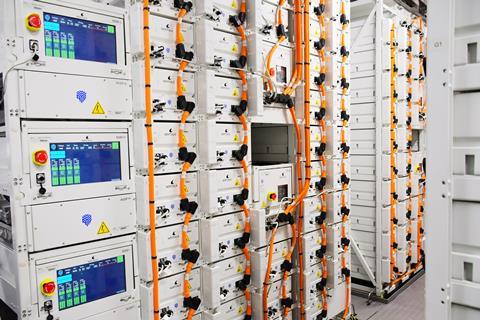
A fully integrated energy storage system and ABB’s PEMS power and energy management platform will help optimise onboard power usage, reducing fuel consumption and emissions during subsea operations.
The project reflects growing demand for cable maintenance capacity as subsea network infrastructure expands globally, with industry forecasts predicting a significant increase in submarine cable deployment over the coming decades.
The new vessels are scheduled for delivery in 2028 and 2029.