


Estonian State Fleet has signed a contract with and LMG MarinPoland’s CRIST S.A. shipyard to design and build Estonia’s first fully electric ferry for Baltic island services.
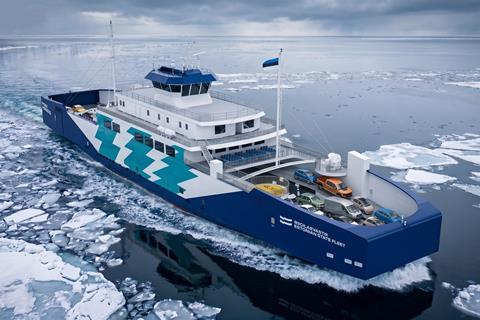
The design and shipbuilding agreement, signed on 20 May, marks a significant step in Baltic maritime decarbonisation and the expansion of vessel electrification in Northern Europe.
“This project is particularly important for LMG Marin. After the delivery 12 years ago of the ferry for the vessels currently in operation, this contract confirms our long-standing collaboration with Estonian key players,” said Vincent Rudelle, member of the management team at LMG Marin and former project manager of the initial Estonian ferry programme.
“It demonstrates our leadership in zero-emission passenger shipping. Over the last 12 months alone, 14 ferries and RoPax vessels based on LMG Marin designs, ranging from 50 to 170 metres, have been contracted. They all integrate large battery systems to significantly reduce their environmental footprint.”
Advanced vessel design
Scheduled for delivery in late 2028, the electric ferry will operate primarily on shore-charged green electricity while maintaining year-round operations in demanding Nordic and Baltic ice conditions.
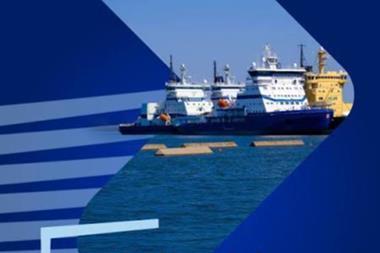
Designed by LMG Marin and built to ice class 1B standards, the approximately 100-metre vessel will be capable of operating in ice up to 60 cm thick.
The ice-class ferry will feature next-generation azimuth thrusters to improve manoeuvrability and energy efficiency in harsh Baltic conditions.
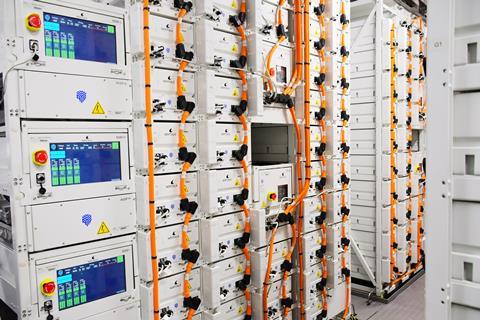
It’s a project which combines advanced marine battery technology with hybrid redundancy systems to support reliable low-emission transport.
Powered by a 3 MWh battery system, the vessel is expected to be up to 64% more energy-efficient than Estonia’s existing diesel-powered reference ferry ‘Regula’.
Biodiesel generators will provide extended range capability and operational resilience during severe weather or emergency conditions.
The vessel will carry up to 110 passenger vehicles or eight freight trucks alongside 380 passengers, supporting Estonia’s broader transition towards sustainable maritime transport and electric ferry operations.