

The competition between electric hydrofoiling workboats is hotting up - if the volume of the vessels being rolled out by Candela, Artemis Technologies and Vessev is anything to go by.
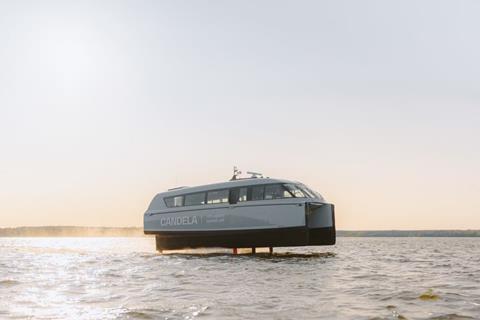
Most recently, Swedish electric vessel builder Candela and Thai operator Seudamgo by Leopard Transportation Co. Ltd entered an agreement for 10 Candela P-12 electric hydrofoil ferries to operate on the route between the mainland and Koh Kood in Trat province.
“Thailand is one of the most exciting markets for sustainable water transport,” said Björn Antonsson, regional CEO Asia-Pacific, Candela.
“With its thousands of islands, big rivers and vibrant tourism industry, the country can truly benefit from our technology. Partnering with Seudamgo to introduce the P-12 fleet is a fantastic beginning – we see enormous potential to expand clean, efficient hydrofoil transport across Thailand and the wider region.”
Breaking new ground
Koh Kood, often described as Thailand’s most pristine island paradise, has been intentionally kept less developed than tourist hotspots such as Phuket or Koh Samui.
Yet access to this unique destination has relied on conventional gasoline-powered speedboats – vessels that generate noise, large damaging wakes and heavy emissions, threatening marine life and the shoreline.
Candela’s P-12 electric hydrofoil vessels offer a radically different approach than traditional fast ferries and speedboats.
Flying above the water on underwater wings, the vessel uses up to 80% less energy than traditional boats with the ability to charge directly from solar power, produce zero emissions and leave virtually no wake or noise.
Thailand is home to Candela’s largest office outside Sweden, located in Bangkok and is a key market for the Swedish electromobility company thanks to its vast waterborne transport sector and more than 1,500 islands.
Growth market
This contract is the latest in a long line of electric hydrofoiling ferry builds announced by Candela.
It also announced earlier this summer that it will supply a fleet of 11 hydrofoiling ferries to the hectic Indian city of Mumbai in an initial contract that could be expanded significantly.
But Candela is not the only specialist in electric hydrofoiling vessels that is achieving rapid growth in the market.
Artemis Technologies has making a name for itself for some time now in electric hydrofoiling ferries, CTVs and pilot boats.
Just this month, Port of Tyne and Artemis Technologies showcased electric foiling technology on the River Thames, ahead of the delivery of a brand new Artemis EF-12 Pilot vessel to the port authority.
In July, it demonstrated its Artemis EF-12 Crew Transfer Vessel (CTV) at Aberdeen Offshore Wind Farm on the east coast of Scotland in partnership with Vattenfall, Tidal Transit, Lloyd’s Register and the Offshore Renewable Energy (ORE) Catapult.
Vessev, based in New Zealand, is another international player making its mark on the sector.
At the end of 2024, the VS-9, an electric hydro-foiling ferry built and designed by Vessev, joined New Zealand’s largest ferry operator after Maritime New Zealand awarded it commercial certification.
At the time, Vessev said that it is the first certified tourism electric hydrofoiling ferry operating anywhere in the world.