


Steel has been cut on a unique ocean-going technology platform being built by the German Aerospace Centre (Deutsches Zentrum für Luft- und Raumfahrt, or DLR).
The ‘Brennstart’ – the steel-cutting ceremony took place at the FSG Shipyard in Flensburg, officially marking the start of construction of a floating laboratory that research propulsion systems, autonomous navigation and security and defence research projects.
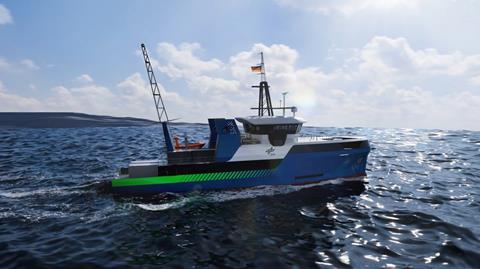
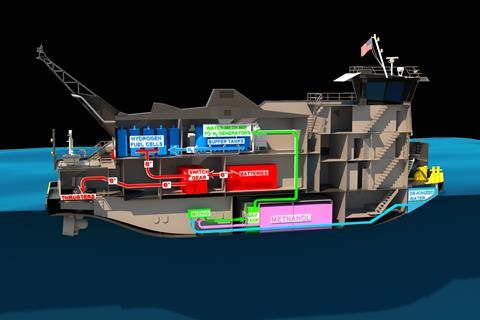
The 48m x 11.5m wide vessel will be used for testing and developing hydrogen and battery propulsion systems for one to multi-day voyages on the North and Baltic Seas with up to 20 people on board.
After the first steel plate was cut, the hull is being manufactured piece by piece in Flensburg. All major components of the propulsion, electrical engineering and manoeuvring systems will be installed there.
The hull transfer to Lloyd Werft in Bremerhaven is scheduled for this autumn, where the vessel will be fully equipped, including interior fittings and completion of the electrical systems.
Lloyd Werft Bremerhaven has been commissioned by DLR to lead the construction and has subcontracted the hull construction to FSG Shipyard in Flensburg. After completion in 2027, the vessel’s home port will be in Kiel.
“With construction now under way, we’re establishing a central research platform for maritime transformation in Germany,” said Sören Ehlers, director of the DLR Institute of Maritime Technologies and Propulsion Systems. “It will enable us to develop not only new energy and propulsion systems but also security-relevant technologies under real operational conditions until they are ready for market, and to transfer them more quickly into industrial application in collaboration with companies. In doing so, we’re strengthening Europe’s technological sovereignty and the resilience of maritime value chains.”