




The UK’s communications regulator has opened a consultation on Maritime Spectrum Licences to align them with international practice and simplify processes, it says.
OfCom has made proposals in a consultation here, which closes on June 3, which aim ‘to ensure that the UK Maritime Spectrum Authorisation framework remains fit for purpose, supports technological developments, and continues to promote the safe, efficient use of radio communications at sea’.
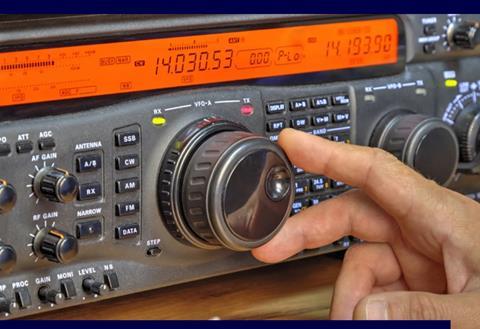
Maritime spectrum licences give permission to use marine radio equipment on designated frequencies within the wider system of radio regulation without causing interference, and are essential for safe, coordinated operations at sea.
“Ofcom manages spectrum to prevent harmful interference, including to safeguard the reliability of maritime radiocommunications on board UK registered vessels and within UK waters and territorial seas,” it says.
The consultation asks respondents a series of questions on its proposals for spectrum, such as emerging technologies that might need changes to be made, such as increased autonomy, how existing channels are working, and VHF Data Exchange Systems (VDES). The consultation form is here.
Workboats operating in UK waters must comply with radio communication requirements set by Ofcom, aligned with safety standards from the Maritime and Coastguard Agency and the IMO.
All vessels fitted with marine radio equipment are required to hold a Ship Radio Licence issued by Ofcom. This licence is free and assigns a unique call sign and Maritime Mobile Service Identity (MMSI), ensuring vessels can be identified and communicate safely using allocated frequencies. Equipment typically covered includes VHF radios, AIS, MF/HF radios, and satellite systems.
“The maritime sector is important to the UK economy – around 85% of international freight traded with the UK is moved by sea, and in 2024 shipping was estimated to have enabled £957.3 billion in UK trade,” says OfCom. “Maritime is a specialised, highly technical sector with evolving spectrum requirements and a strong international linkage.”
The deadline for responding to the consultation is 5pm on June 3.