


After years of uncertainty, Cyprus has unveiled its clearest vision yet for the future of Larnaca Port with the largest spending on commercial port infrastructure for decades.
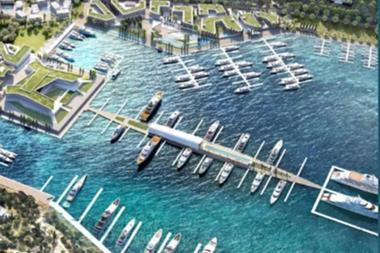
Cyprus Ports Authority (CPA) has unveiled a €415 million programme that combines commercial port modernisation, marina expansion and waterfront regeneration in a plan that will maintain the working commercial facility while implementing a phased transformation.
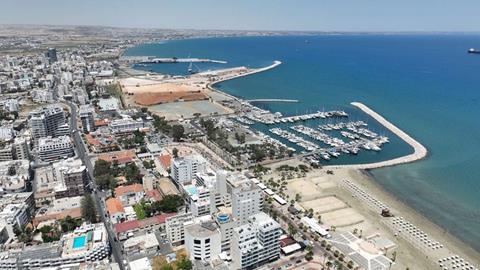
Cargo handling, passenger operations and operational capacity are all due to be improved over the next two decades, the plans, jointly presented by the CPA and the Municipality of Larnaca, show.
The move comes after a previous €1.2 billion arrangement with Kition Ocean Holdings was terminated after contractual disputes.
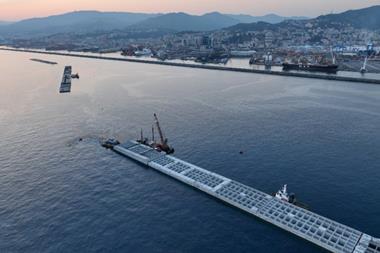
Concrete details of the scale of redevelopment have not yet been finalised, but the CPA has laid down €205 million to be spent over the next 20 years on new quays, an expansion of the existing breakwater, additional berths, a new port basin and other modern equipment.
Redevelopment has been arranged around projects covering the port, marina and waterfront.
The marina district will include pedestrian promenades and a relocation of the traditional boatyards so that the waterfront can be physically connected to the city rather than isolated behind industrial land, the CPA says. Berthing capacity will be increased to around 200 berths, according to the Cyprus Mail.
The port is lined up to be modernised with upgraded port equipment and infrastructure, a modern passenger terminal, new cargo-handling equipment and a phased expansion of the port for both commercial and passenger activities.
Unlike the original concession, the new roadmap emphasises gradual implementation.
The CPA describes the document as a strategic framework rather than a final engineering programme, noting that implementation remains subject to completion of the necessary legal, institutional and administrative processes.
Larnaca is one of the eastern Mediterranean’s most significant long-term infrastructure programmes.
The strategic direction is now firmly established, but the industry will be watching closely for the publication of detailed engineering designs, procurement schedules and construction tenders.
“We must be honest with the citizens. Success will not be judged by the announcements, but by the implementation of the projects, the adherence to the schedules and their completion,” said Mayor of Larnaca and Chairman of the Larnaca City and District Development Committee Andreas Vyras. “The road map is the beginning of the route and not the end of it.”