



For the first time in the almost 200-year history of the Port of Rotterdam, harbour towage operators will need a harbour master’s permit to provide towage services.
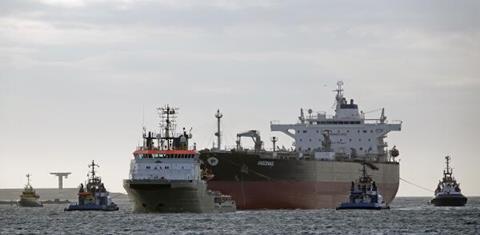
On July 1, the port towage service permit had been granted to two port towage service providers, which the port has not identified to media.
Tugboat captains hired by these services also fall under the permit and once granted a permit is valid for a fixed period, after which it may be reissued.
The permit is intended to establish a single quality standard for all providers of harbour towage services and bring the sector into line with other nautical service providers operating in the port, a spokesman said.
The by-law creates a legal framework for the permit rather than prescribing detailed technical standards. Instead, it specifies the categories of requirements that applicants must be able to satisfy before a permit can be granted.
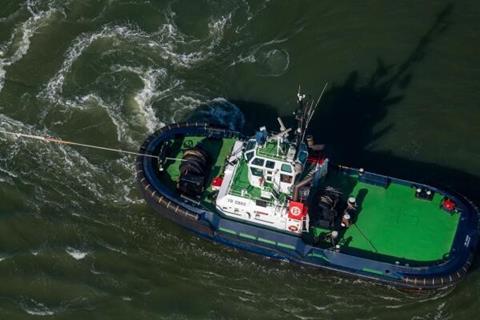
One of the principal requirements is professional competence. Operators will have to demonstrate that both the company and its personnel possess the necessary professional qualifications to provide harbour towage services safely.
They must also show they have sufficient financial capacity to carry out the service on a sustainable basis, have access to appropriate towage equipment and are able to maintain it in a condition that allows services to be performed safely.
The permit also places emphasis on service availability. Operators must be capable of providing harbour towage to all users, at all berths within the port, on a continuous basis. The explanatory documentation makes clear that the expectation is for services to be available 24 hours a day, seven days a week, throughout the year, ensuring the resilience of Rotterdam’s nautical chain.
Beyond operational capability, applicants will be expected to comply with maritime safety and port safety requirements, as well as applicable local, national, European Union and international environmental legislation. The by-law also includes a requirement relating to the reliability and integrity of the operator, giving the harbour master a basis for assessing whether a company is a suitable permit holder.
The explanatory memorandum accompanying the legislation provides further insight into how the permit is intended to operate in practice. It says the harbour master will use the permit system to oversee the quality of harbour towage services, including operators’ participation in the port’s joint planning system, the training and continuing professional development of tug masters, familiarity with local operating procedures and conditions, and the incorporation of lessons learned from GOALS (the Joint Consultation of Pilots and Towage Services) into company training programmes.
It also envisages that tug masters who have not completed refresher training for more than two years should not be deployed independently.
The Port of Rotterdam first deployed tugs in 1842. While most European ports regulate towage through concessions, contracts or national authorisations, Rotterdam’s introduction of a dedicated harbour master permit places it among a small group of ports, including Hamburg, that operate formal licensing or permitting systems for towage providers.
Whether Rotterdam’s initiative remains unique or becomes a template for other European ports will be closely watched by harbour authorities and towage operators alike.