


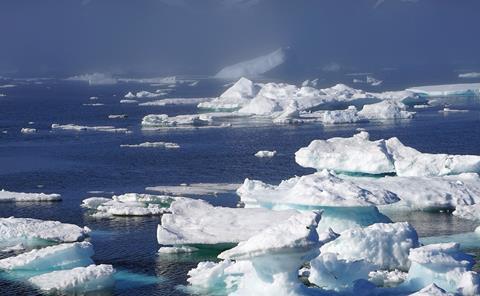
The Clean Arctic Alliance is calling on the IMO to deliver urgent action to curb climate impacts on the Arctic.
The NGO has implored the IMO’s Marine Environment Protection Committee meeting MEPC 78 to deliver meaningful short-term measures that would kick-start dramatic reductions in global greenhouse gas and black carbon emissions from shipping this decade.
“The IMO must improve its levels of ambition in the recently agreed short-term carbon intensity reduction measures including a 1.5°C compatible improvement in the carbon intensity of ships and revise its climate targets to ensure a 50% reduction in CO2 emissions by 2030 and full decarbonisation by 2040,” said Dr Sian Prior, Lead Advisor to the Clean Arctic Alliance.
”Only with concrete measures and immediate action to reduce emissions this decade do we have any hope of remaining below 1.5°C heating globally, which is essential if we are to retain sea ice in the Arctic throughout the summer in the 2030s.”
Climate demands
At the meeting, the IMO is set to address short-term measures to reduce GHG emissions, mid-term measures including strengthening the carbon intensity indicator for ships and to start considering a, hopefully ambitious, revision of the IMO’s GHG strategy.
In addition, a proposal for a new emission control area covering the Mediterranean waters, which if agreed will reduce SOx and black carbon emissions in the region, will be on the table for approval.
The NGO said that to avert the worst impacts on an already over-heating Arctic, the IMO must also make immediate cuts to black carbon emissions from shipping in and near the Arctic, as well as reduce the industry’s global emissions of black carbon.
It also wants a switch to using distillate fuels in and near the Arctic which it said would quickly reduce black carbon emissions by around 44% practically overnight, while adding diesel particulate filters would reduce black carbon by over 90%, which it said should be feasible before 2030.
In April, following the release of the Intergovernmental Panel on Climate Change (IPCC) Working Group III 6th Assessment Report on Climate Mitigation, UN Secretary-General Antonio Guterres lambasted governments and industry for their climate inaction.