

Noatum Maritime, part of AD Ports Group’s Maritime & Shipping Cluster, has reinforced its commitment to sustainable maritime operations by adding its first all-electric hydrofoiling pilot boat and two fully electric tug boats to its fleet.
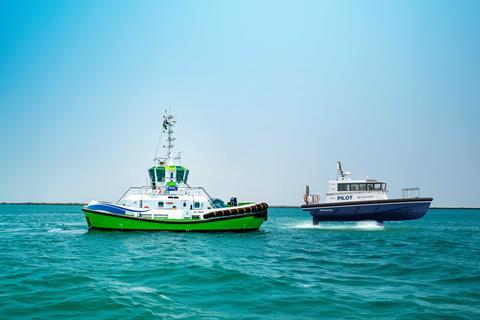
These zero-emissions vessels form a key pillar of Noatum Maritime’s broader decarbonisation strategy and will deliver immediate benefits for customers, including operational efficiency and reduced emissions and potential contributions to carbon credit programmes.
“By offering fully electric alternatives we are supporting our customers sustainability goals and potentially enabling them to leverage carbon credits,” said Captain Ammar Mubarak Al Shaiba, CEO – maritime & shipping cluster, AD Ports Group.
”In pioneering these technologies, we are reinforcing our commitment to sustainable innovation and setting new benchmarks for the industry.”
Electrification focus
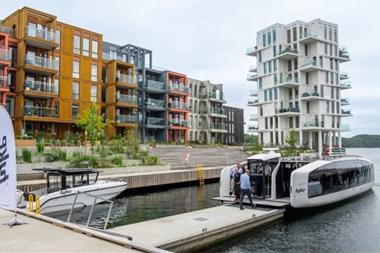
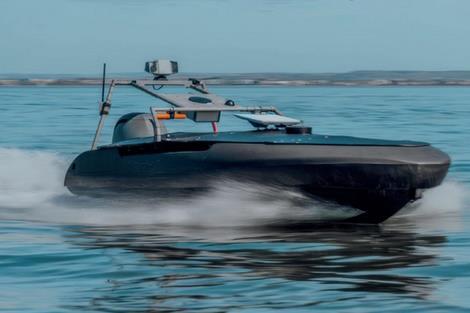
The region’s first 100% electric Artemis EF-12 Pilot boat marks a significant advancement in energy-efficient pilotage for the operator.
Powered by Artemis Technologies’ cutting-edge eFoiler technology, this 12-metre vessel lifts the hull above the water’s surface, significantly reducing drag and cutting energy consumption by up to 85% while increasing speed and efficiency.
It’s a technology which not only translates into substantial fuel and maintenance cost savings but also provides customers with a high performance, zero-emission alternative that aligns with global sustainability targets.
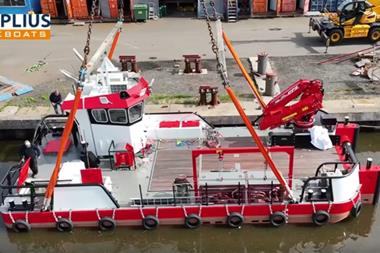
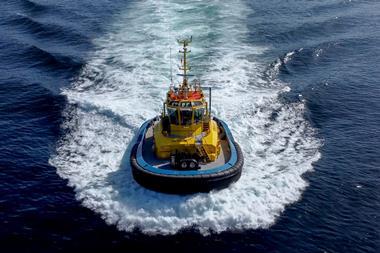
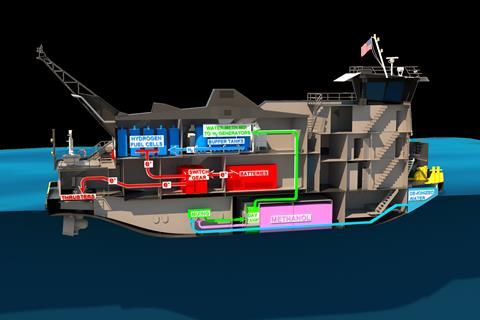
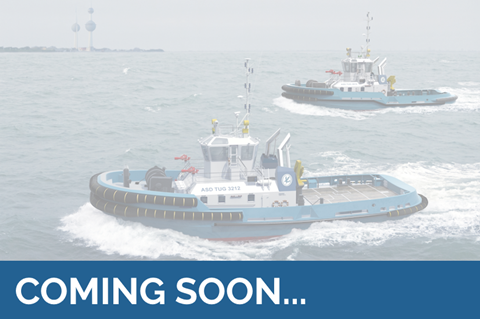
Additionally, two Damen RSD-E tug 2513’s will drive sustainable towage operations at Khalifa Port.
Following the successful trial of the first unit, the most powerful electric tugboat, as recognised by Guinness World Records, Noatum Maritime has opted to permanently integrate the vessel into its fleet, alongside an additional unit entering service in April 2025.
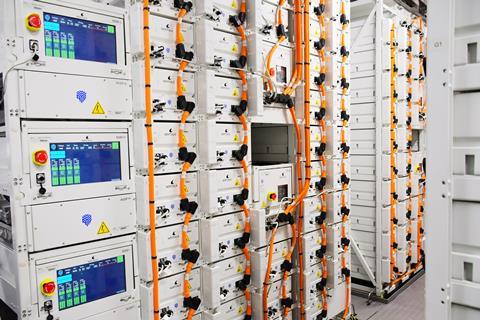
These 70-tonne bollard pull tugs feature rapid charging technology, capable of completing multiple assignments on a single charge with full recharging in just two hours.
Their adoption is expected to contribute to lower port emissions while offering cost-effective high performance harbour assistance.